Alpaca vs Merino: Which Natural Fiber Is Right for You?
If you've spent any time in a yarn shop — or scrolling through fiber communities online — you've probably found yourself holding two skeins: one labeled alpaca, one labeled merino wool. Both feel impossibly soft. Both come with beautiful colorways. And both promise to make your next project something special.
So how do you choose?
The truth is, alpaca and merino are two of the finest natural fibers in the world, but they're quite different in ways that actually matter for knitters, home decorators, and anyone who loves premium textiles. This guide will walk you through everything you need to know — no technical jargon, just honest comparisons that help you decide.
What Is Alpaca Fiber?
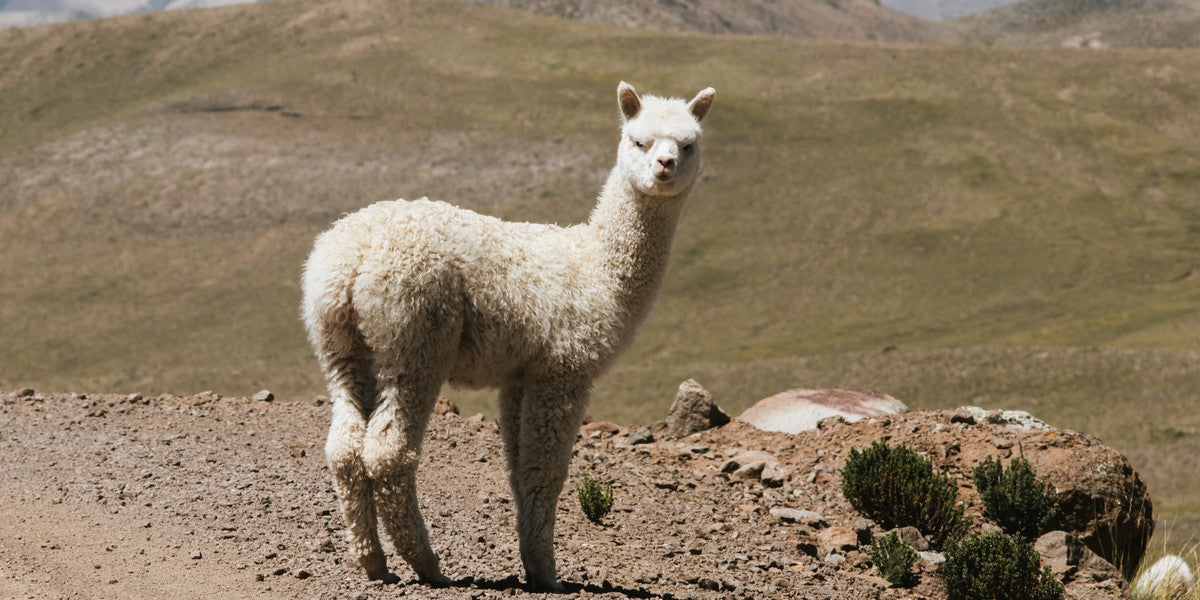
Alpaca fiber comes from alpacas — gentle Andean animals that have been raised in the highlands of Peru, Bolivia, and Ecuador for thousands of years. The fiber is harvested once a year by shearing, without harming the animal.
There are two types of alpaca: Huacaya (the fluffy, cloud-like one you've probably seen in photos) and Suri (with silkier, more lustrous locks). Most alpaca yarn you'll find — including Alpalove's — comes from Huacaya alpacas, prized for their incredibly fine, soft fiber.
Key characteristics of alpaca:
- Naturally hollow fiber — what makes it so warm and lightweight
- Free of lanolin — the natural oil found in sheep's wool
- Hypoallergenic for most people sensitive to wool
- Naturally water-resistant
- Available in 22 natural shades, from bright white to deep black
What Is Merino Wool?
Merino wool comes from Merino sheep, originally from Spain but now raised across Australia, New Zealand, and South America. Merino is considered the finest sheep's wool available, and it's the gold standard in the broader wool market for a reason — the fibers are much finer than regular wool, which is what gives it that soft, non-scratchy feel.
Key characteristics of merino:
- Very fine fiber (measured in microns — the lower, the softer)
- Contains lanolin, which has natural antibacterial properties
- Excellent moisture-wicking ability — popular in activewear and base layers
- Naturally elastic and resilient — it bounces back well
- Takes dye beautifully, producing rich, saturated colors
Alpaca vs Merino: The Head-to-Head Comparison
Softness
Both fibers are genuinely soft — softer than standard wool by a wide margin. But they feel different in a specific way. Merino has a slight natural "spring" to it, almost a subtle bounce when you touch it. Alpaca, by contrast, has a silkier, more fluid softness — sometimes described as cashmere-adjacent. Baby alpaca (fiber from the first shearing of a young alpaca) is especially fine and rivals cashmere in its delicacy.
Winner: A matter of personal preference, but many knitters describe baby alpaca as the softer of the two once you've felt it.
Warmth
Here's where alpaca has a clear structural advantage. Because alpaca fiber is naturally hollow, it traps air inside — creating exceptional insulation with very little weight. You can make a warm, cozy throw or blanket that feels almost weightless in your hands. Merino is warm too, but the fiber is solid (not hollow), so it needs more bulk to achieve the same level of insulation.
Winner: Alpaca, especially for anyone looking for warmth without heaviness.
Hypoallergenic Properties
This is one of the most important differences for many knitters and buyers. Wool sensitivity is common. Most people who react to wool are actually reacting to lanolin, the natural grease in sheep's fiber. Merino has less lanolin than coarser wools, but it still contains it.
Alpaca fiber contains no lanolin. That's why many people who've given up on wool entirely discover they can wear alpaca comfortably — no itching, no redness, no reactions.
Winner: Alpaca, for anyone with lanolin sensitivity or wool-reactive skin.
Durability and Care
Merino wool is naturally elastic and resilient. It holds its shape well, resists wrinkles, and tends to bounce back after washing. It's also naturally antibacterial — a big plus for garments worn close to the skin.
Alpaca is durable but less elastic than merino. Garments made with 100% alpaca can stretch slightly over time, especially in heavier weights. Many experienced knitters recommend adding a small percentage of nylon to alpaca yarn for socks or items that need to hold their shape. Both fibers require gentle care — hand washing or a delicate machine cycle with cool water and a wool-safe detergent.
Winner: Merino for elasticity and shape retention; alpaca for raw durability in home textiles.
Environmental Footprint
Both animals have relatively low environmental impacts compared to synthetic fibers. Alpacas are especially gentle on the land — soft padded feet, graze without uprooting grass, and drink very little water. Peruvian alpaca farming has sustained indigenous communities for centuries with minimal ecological disruption. Merino farming practices vary widely by region and producer.
Winner: Alpaca, for most conscious buyers prioritizing supply chain transparency and land impact.
Price
High-quality merino and premium alpaca are both investment fibers — significantly more expensive than acrylic or standard wool. In general, baby alpaca tends to be priced similarly to, or slightly above, fine merino — reflecting the smaller yield per animal and the careful hand-processing involved.
Winner: Comparable. Expect to pay premium prices for either fiber at quality levels worth buying.
Which Fiber Is Right for Your Project?
Choose alpaca if you:
- Have sensitive skin or react to wool
- Want maximum warmth with minimum weight
- Are making home textiles — throws, blankets, pillows, duvet covers
- Love a fluid, drapey, slightly silkier handle
- Care about traceable, heritage fiber sourcing
Choose merino if you:
- Need elasticity (socks, fitted garments, ribbing-heavy projects)
- Prefer fiber that bounces back and holds structure
- Are knitting activewear, base layers, or travel pieces
- Love saturated, vivid color from dye
And if you want the best of both? Many knitters blend the two — an alpaca-merino blend captures alpaca's warmth and softness alongside merino's structure and resilience. It's one of the most popular combinations in fine yarn for a reason.
A Note on "Baby Alpaca"
You'll see this term on Alpalove products — and it's worth understanding what it actually means. Baby alpaca doesn't mean the fiber comes from baby animals. It refers to the grade of fiber: the finest, softest fleece, with a micron count typically between 18–22 microns. For context, cashmere sits around 15–19 microns. Baby alpaca is genuinely one of the finest fibers available to knitters anywhere in the world.
Ready to Try Baby Alpaca?
If you've been curious about alpaca but haven't made the jump yet, there's no better place to start than with a skein of pure baby alpaca yarn. Run it through your fingers, cast on a swatch, and see for yourself what thousands of years of Andean fiber tradition feel like in your hands.
→ Explore our Baby Alpaca Yarn Collection
Have questions about which weight or colorway to start with? We're always happy to help — reach out through our contact page or find us on Instagram @alpalove.
Alpalove sources 100% baby alpaca directly from Peru — traceable, ethical, and crafted by families who have raised alpacas for generations.

Written by Fernanda Chirinos